

Train Higher. Get Fitter. Recover Better.
-
Check-in13 Sep 2026
-
Check-out14 Sep 2026
-
Nights1 Night
-
Rooms1 Room
-
Number of people2 Adults • 0 Children
Frisco: Where Altitude Meets Performance
High Altitude. World-Class Training. Complete Recovery.
For decades, elite runners, cyclists, triathletes, nordic skiers, mountain athletes, and endurance competitors have traveled to Colorado in search of one thing:
Altitude.
Frisco has long attracted athletes, both professional and amateur, including cyclists, triathletes, road and trail runners, alpine and nordic ski racers, mountain athletes, and serious endurance competitors, who are seeking the unique benefits of training and recovering at altitude.
The Rocky Mountains provide a natural performance laboratory where athletes can challenge their cardiovascular systems, build endurance, and prepare for demanding competitions ranging from marathons and ultramarathons to Ironman races and the legendary Leadville Trail 100.
But successful altitude training involves much more than simply arriving at a high elevation and heading out for a workout.
The best altitude training environments combine four essential ingredients:
-
Meaningful altitude exposure
-
Exceptional training terrain
-
Comprehensive recovery resources
Few places bring these elements together as effectively as Frisco, Colorado.
Located at approximately 9,100 feet above sea level in the heart of Summit County, Frisco offers immediate access to world-class running, cycling, hiking, and endurance training opportunities while providing the recovery infrastructure and convenience necessary to support serious athletic performance.
Combined with the boutique hospitality of Frisco Inn on Galena and the athlete-focused recovery amenities of Mt. Royal Spa, Frisco becomes much more than a mountain town.
It becomes a complete altitude training ecosystem.
Table of Contents:
-
Why Athletes Train at Altitude
-
Is 9,100 Feet Too High?
-
Running Training
-
Cycling Training
-
Leadville Preparation
-
Recovery
-
Mt. Royal Spa
-
Athlete Nutrition
-
FAQ
Why Athletes Train at Altitude
As elevation increases, atmospheric pressure decreases.
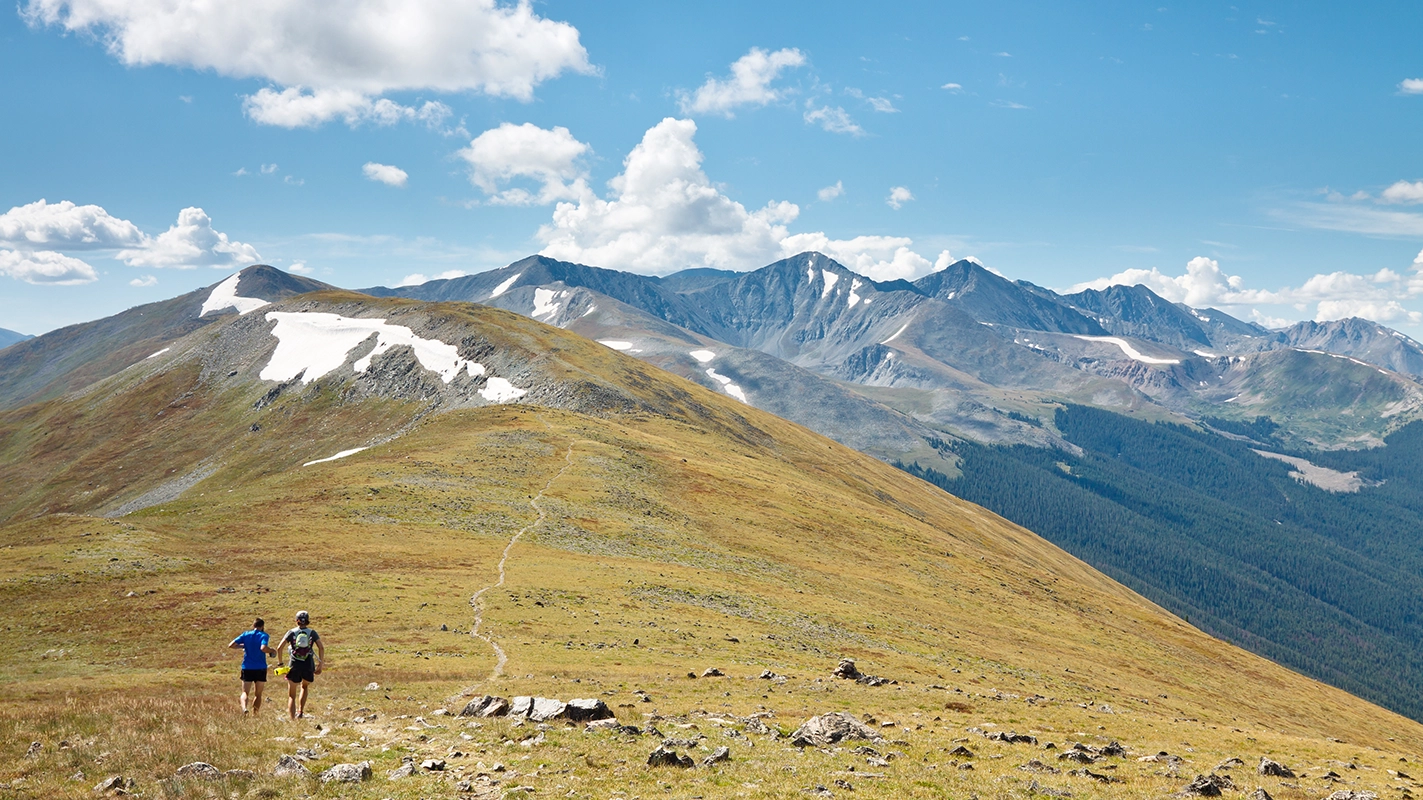
Although oxygen still makes up roughly 21% of the atmosphere, fewer oxygen molecules are available with every breath. The body must work harder to deliver oxygen to muscles and tissues, creating a physiological stress that may stimulate beneficial adaptations over time.
Many athletes seek altitude exposure because it may contribute to:
-
Increased red blood cell production
-
Enhanced oxygen-carrying capacity
-
Improved aerobic efficiency
-
Greater endurance potential
-
Improved cardiovascular adaptation
For this reason, altitude camps have become a staple of endurance sports.
However, altitude is not without challenges.
As elevation increases:
-
VO₂ max declines
-
Threshold pace slows
-
Recovery demands increase
-
Sleep quality may be affected
-
Hydration becomes more important
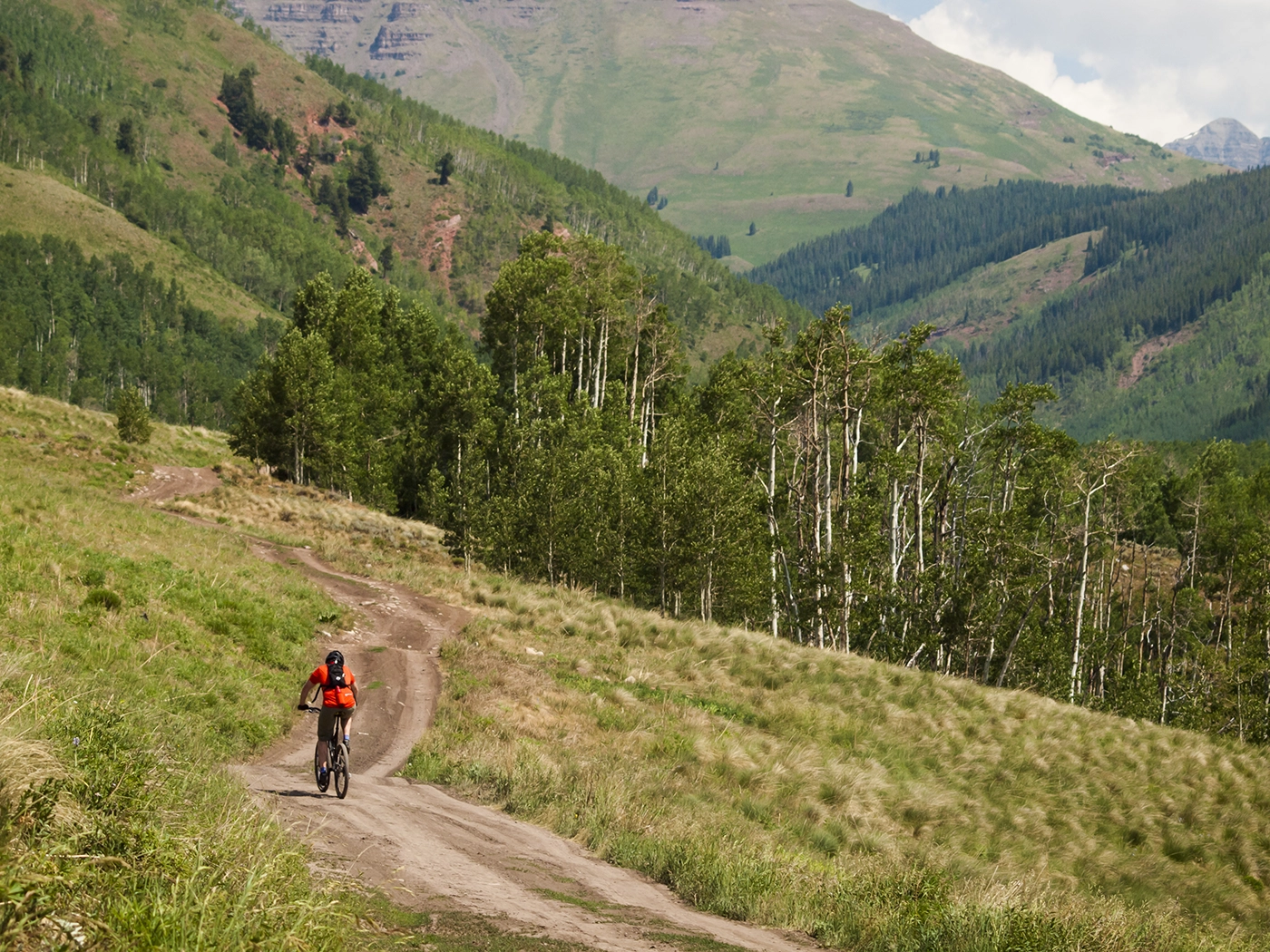
The same stress that drives adaptation can also reduce training quality if not managed correctly.
This is why successful altitude training is always a balance between stress and recovery.
Is 9,100 Feet Too High?
One of the most common questions athletes ask is:
"Is Frisco too high for effective training?"
The answer depends on the athlete.
At approximately 9,100 feet, Frisco sits near the upper end of what many coaches consider an ideal altitude training environment.
The advantages are substantial:
-
Altitude stimulus is strong
-
EPO response is meaningful
-
Adaptation potential is significant
-
Many athletes experience measurable benefits after 3-4 weeks
Yet there are tradeoffs.
At 9,100 feet:
-
Threshold workouts may feel considerably harder
-
Interval sessions may require adjustments
-
Recovery between hard efforts may take longer
-
Sleep quality can decline during acclimatization
-
Athletes with poor fueling strategies often struggle
This is one reason Frisco is so unique.
Live Higher, Train Lower
Many altitude training destinations force athletes to do everything at one elevation.
Frisco offers something more flexible.
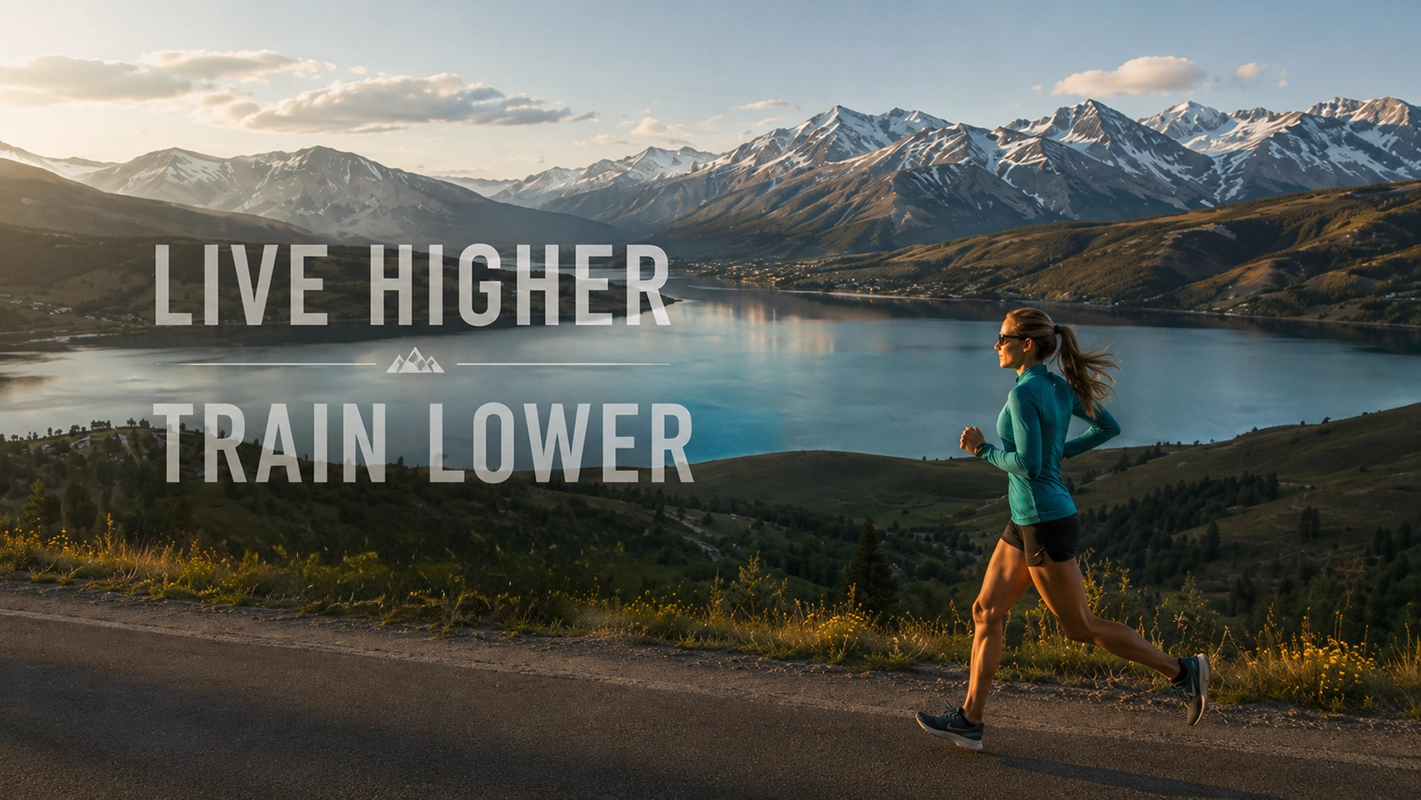
Athletes can live high while taking advantage of a wide range of training elevations throughout Summit County and beyond.
Within a short drive are:
-
Dillon
-
Silverthorne
-
Lower Summit County
-
Lower Eagle County
-
Front Range foothills
-
Lower-elevation roads and trail systems
This creates a practical version of the famous "Live High, Train Low" model that has shown some of the strongest evidence for performance gains.
Athletes can:
-
Descend for key intensity sessions when needed
This flexibility makes Frisco one of Colorado's most versatile altitude training destinations.
Why Frisco Works for Serious Endurance Athletes
Training camps require more than trails and roads.
Athletes need access to:
-
Recovery services
-
Healthcare
-
Running stores
-
Grocery stores
-
Physical therapy
-
Sports medicine resources
Frisco delivers all of these within minutes.
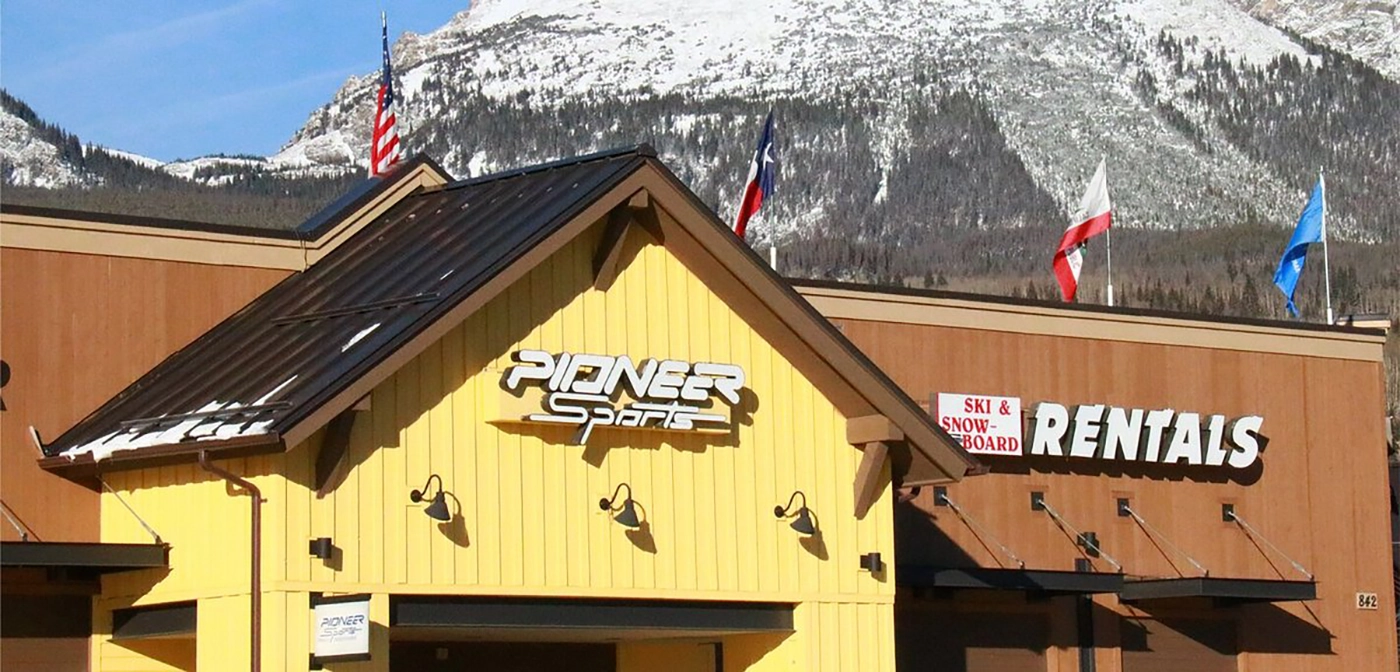
Many athletes underestimate how valuable convenience becomes during a multi-week altitude block.
Instead of spending hours driving between services, Frisco allows athletes to focus on training and recovery, which is why the choice of Frisco for a homebase is so beneficial.
Everything needed for a successful camp is close at hand.
Running and Trail Training
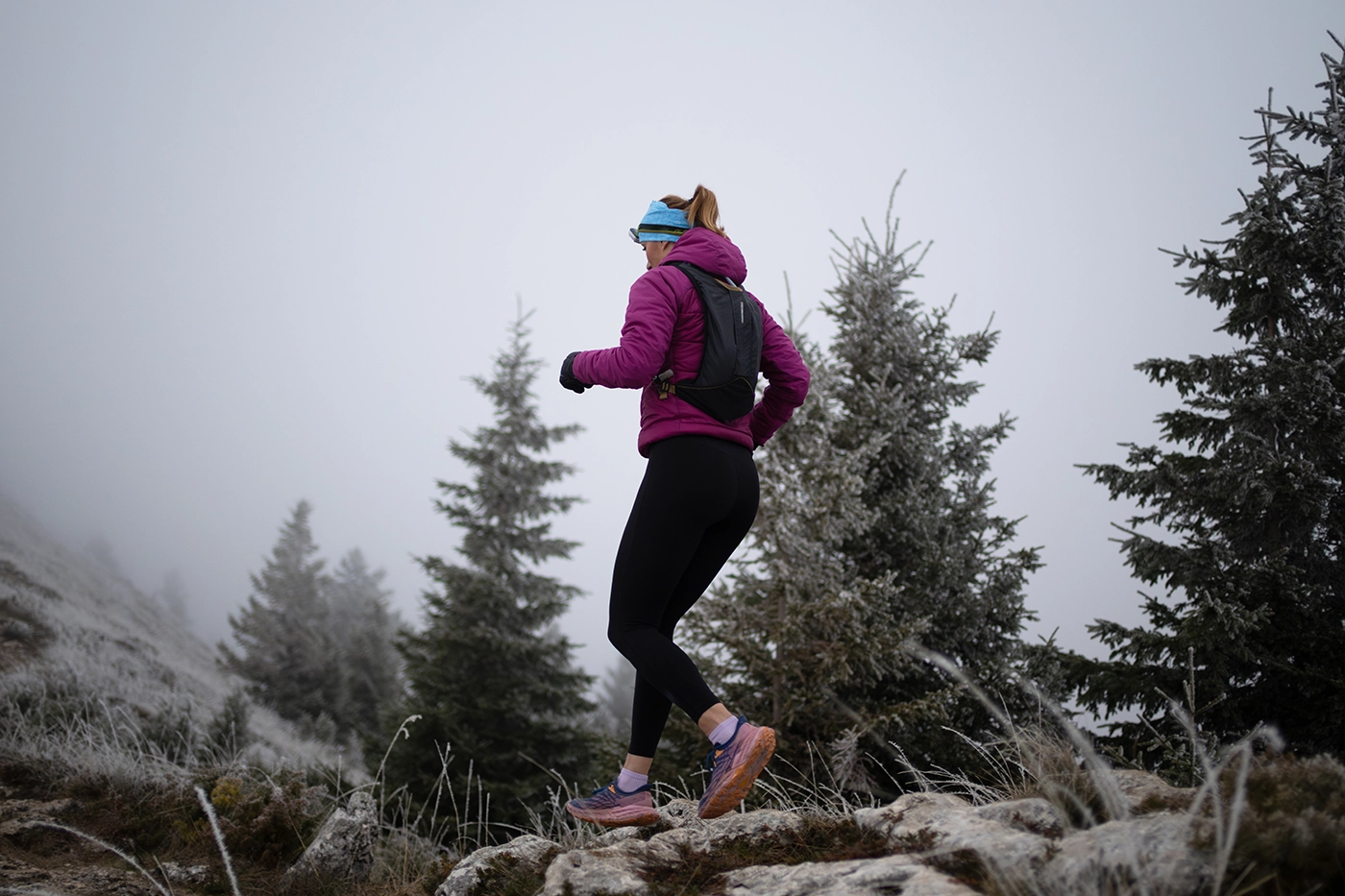
Frisco serves as a gateway to some of Colorado's most iconic mountain terrain.
Popular running and hiking destinations include:
Mount Royal
A steep local favorite offering challenging climbing and panoramic views.
Peaks Trail
One of Summit County's most beloved point-to-point routes connecting Frisco and Breckenridge.
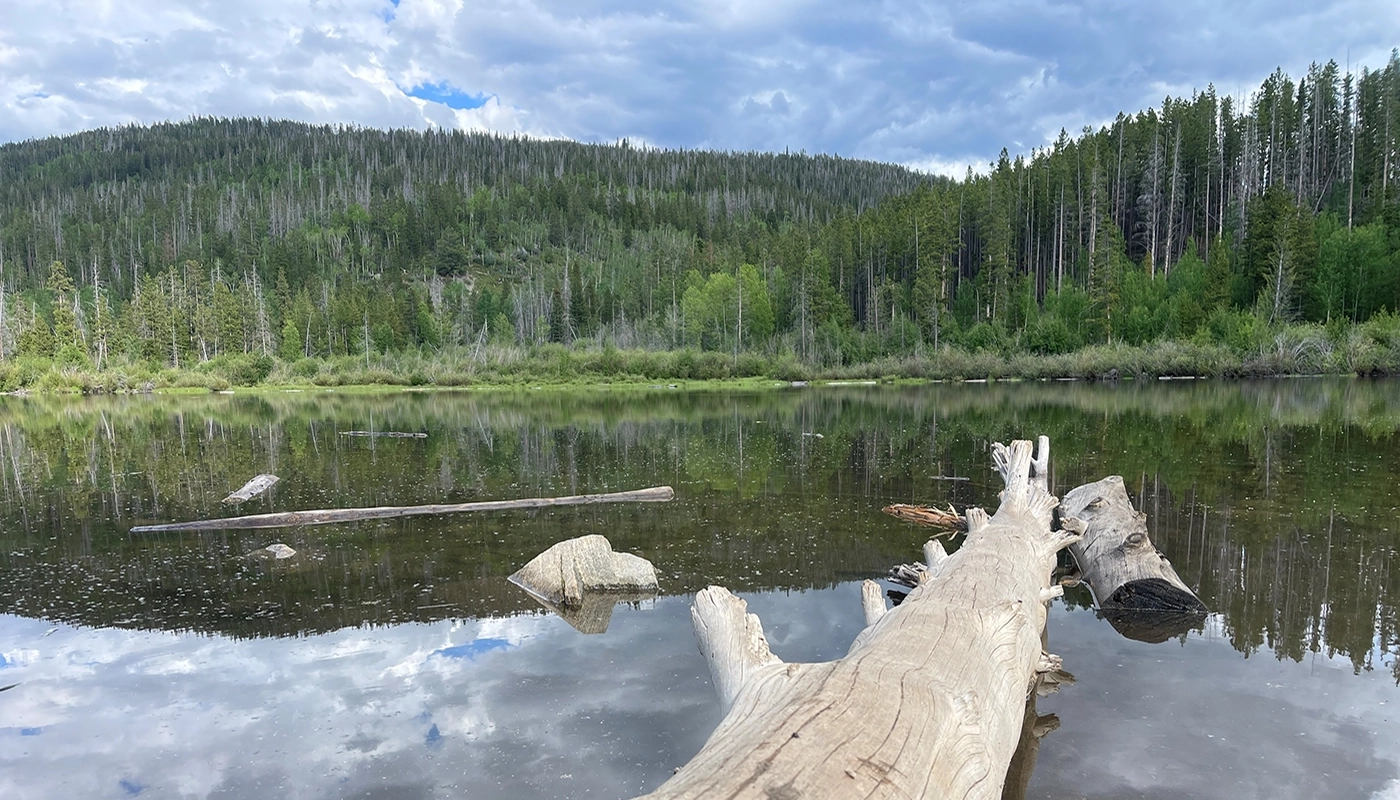
Rainbow Lake
Excellent for recovery runs and easier aerobic sessions.
Colorado Trail Segments
Frisco provides convenient access to several sections of the Colorado Trail, making it a favorite among trail runners and endurance hikers.
Tenmile Range
For athletes seeking serious vertical gain, few places compare.
These trails provide opportunities ranging from easy recovery outings to demanding mountain efforts.
Cycling at Altitude: Road, Gravel, and Endurance Training
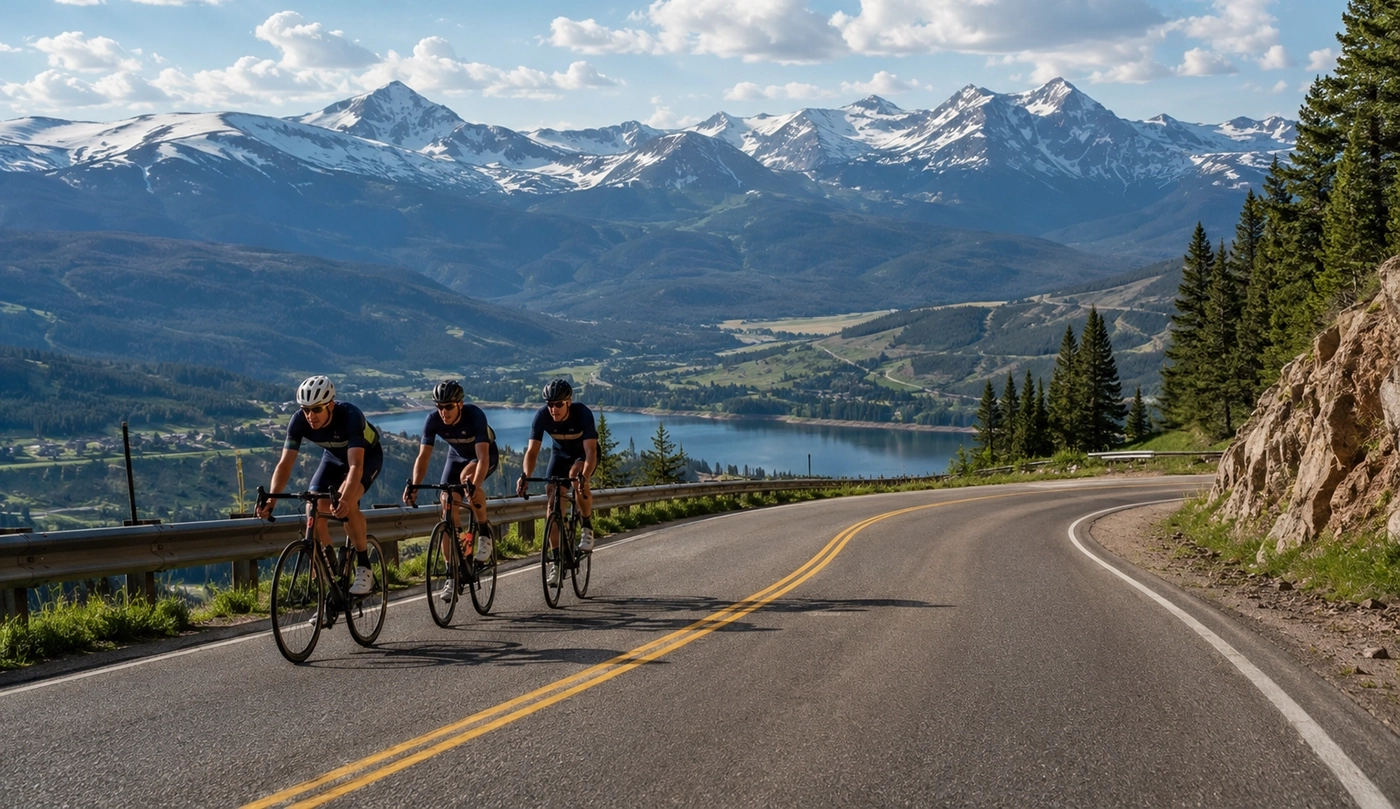
Cyclists have long recognized Summit County as one of Colorado's premier training destinations. Frisco's central location provides access to everything from recovery rides and aerobic endurance routes to iconic mountain climbs used by some of the strongest cyclists in the country.
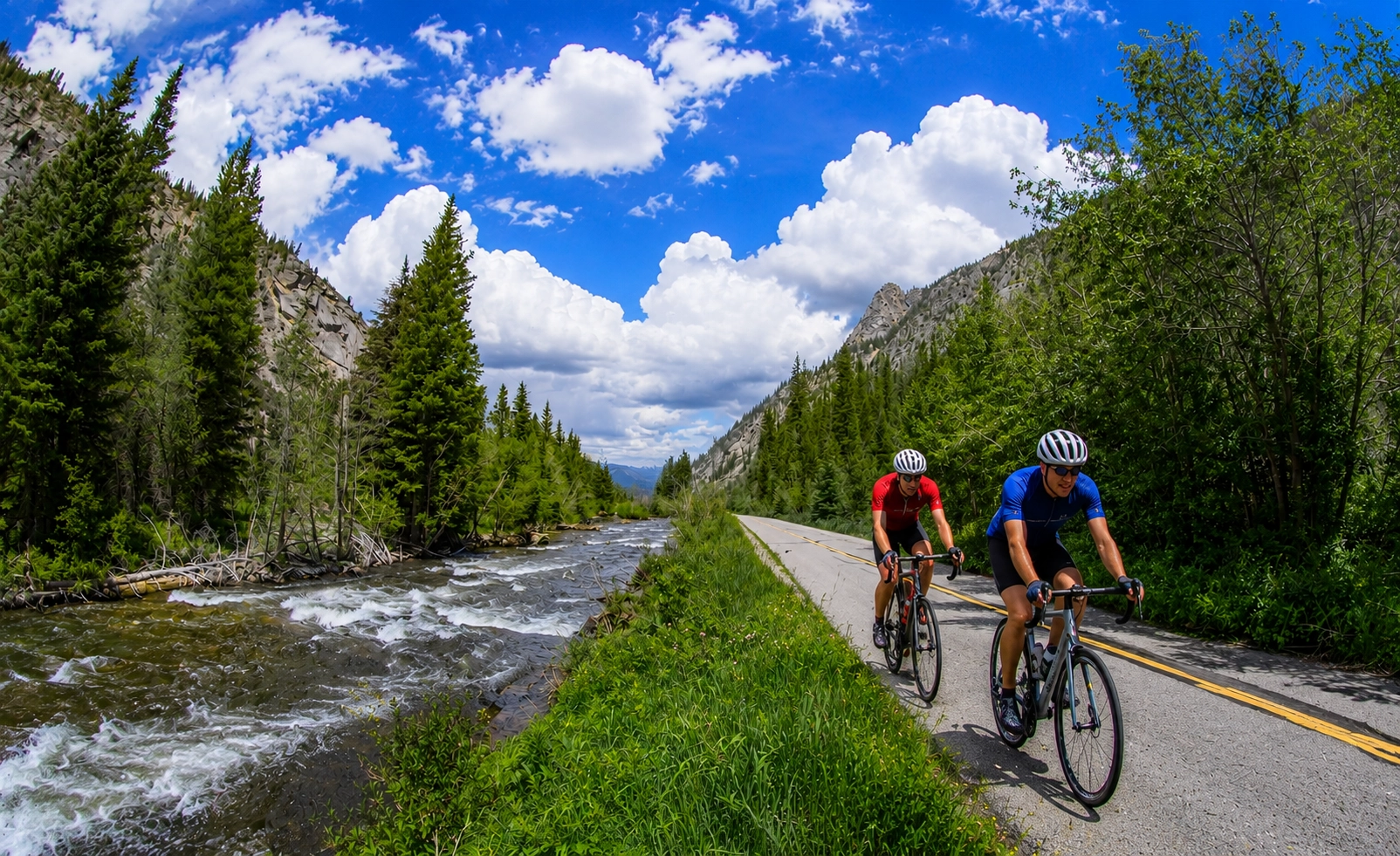
The Summit County Recreation Path System connects:
through more than 55 miles of paved pathways, allowing riders to complete quality training with minimal vehicle traffic.
For cyclists seeking more challenging efforts, some of Colorado's most respected climbs and endurance routes are nearby.
Vail Pass
A favorite among endurance cyclists, Vail Pass offers a steady high-altitude climb with spectacular scenery and excellent road conditions. The route is ideal for aerobic endurance training and sustained climbing efforts.
Loveland Pass
One of Colorado's classic high-mountain climbs, Loveland Pass rises above 11,900 feet and provides an exceptional opportunity to experience the demands of true high-altitude cycling.
Swan Mountain Road
Connecting Dillon and Breckenridge, Swan Mountain Road is frequently used for tempo efforts, threshold work, and race-specific training due to its sustained climbing and rolling terrain.
Hoosier Pass
A legendary route for cyclists preparing for mountain races and endurance events. Hoosier Pass combines altitude, climbing, and spectacular views while providing an excellent simulation of many Colorado race environments.
Copper Mountain
The gradual climb from Frisco toward Copper Mountain is a local favorite for aerobic conditioning, interval work, and long endurance rides.
Lower-Elevation Recovery and Intensity Routes
One of Frisco's unique advantages is that athletes are not limited to training at 9,100 feet. Riders can easily access lower-elevation roads and trails throughout Summit County, Eagle County, and the Front Range foothills.
This flexibility allows athletes to:
-
Live high and recover at altitude
-
Complete easier rides locally
-
Descend for key intensity sessions
-
Preserve workout quality while maintaining altitude exposure
For many endurance athletes, this combination creates the ideal balance between adaptation and performance.
Whether you're preparing for a century ride, an Ironman, a stage race, or the Leadville Trail 100, Frisco provides one of the most versatile cycling environments in Colorado.
Why Cycling Groups and Teams Choose Frisco
Frisco has quietly become a favorite destination for cycling teams and training groups.
Spring and fall are especially attractive because temperatures are ideal for long training days while roads and trails remain less crowded than peak summer periods.
Teams benefit from:
-
Meaningful altitude exposure
-
Extensive cycling infrastructure
-
Recovery resources
-
Walkable accommodations
-
Convenient dining and shopping
For many teams, Frisco provides the ideal balance between challenge and practicality.
Preparing for the Leadville Trail 100
Few endurance events command more respect than the Leadville Trail 100.
The race challenges athletes with:
-
100 miles of riding
-
Significant climbing
-
Elevations exceeding 12,000 feet
-
Long hours in demanding conditions
For athletes traveling from lower elevations, acclimatization can become a critical component of preparation.
Frisco is only about 30 miles from Leadville, yet sits approximately 1,000 feet lower, providing a balance between altitude adaptation, workout quality, and recovery that many athletes find ideal during training blocks.
Riders can:
-
Adapt gradually to altitude
-
Complete long training rides
-
Practice nutrition strategies
-
Build climbing fitness
-
Recover effectively between sessions
Many athletes spend several weeks in Summit County before Leadville because the environment closely mirrors the physiological demands of race day.
For Leadville athletes, training is only part of the equation.
Recovery becomes equally important.
Fueling Performance: Why Frisco Is an Excellent Food Town for Athletes
Training at altitude increases recovery demands, hydration needs, and caloric requirements. Whether you're preparing for a marathon, spending a week on the bike, training for the Leadville Trail 100, or completing a high-volume running block, proper nutrition becomes an essential part of performance.
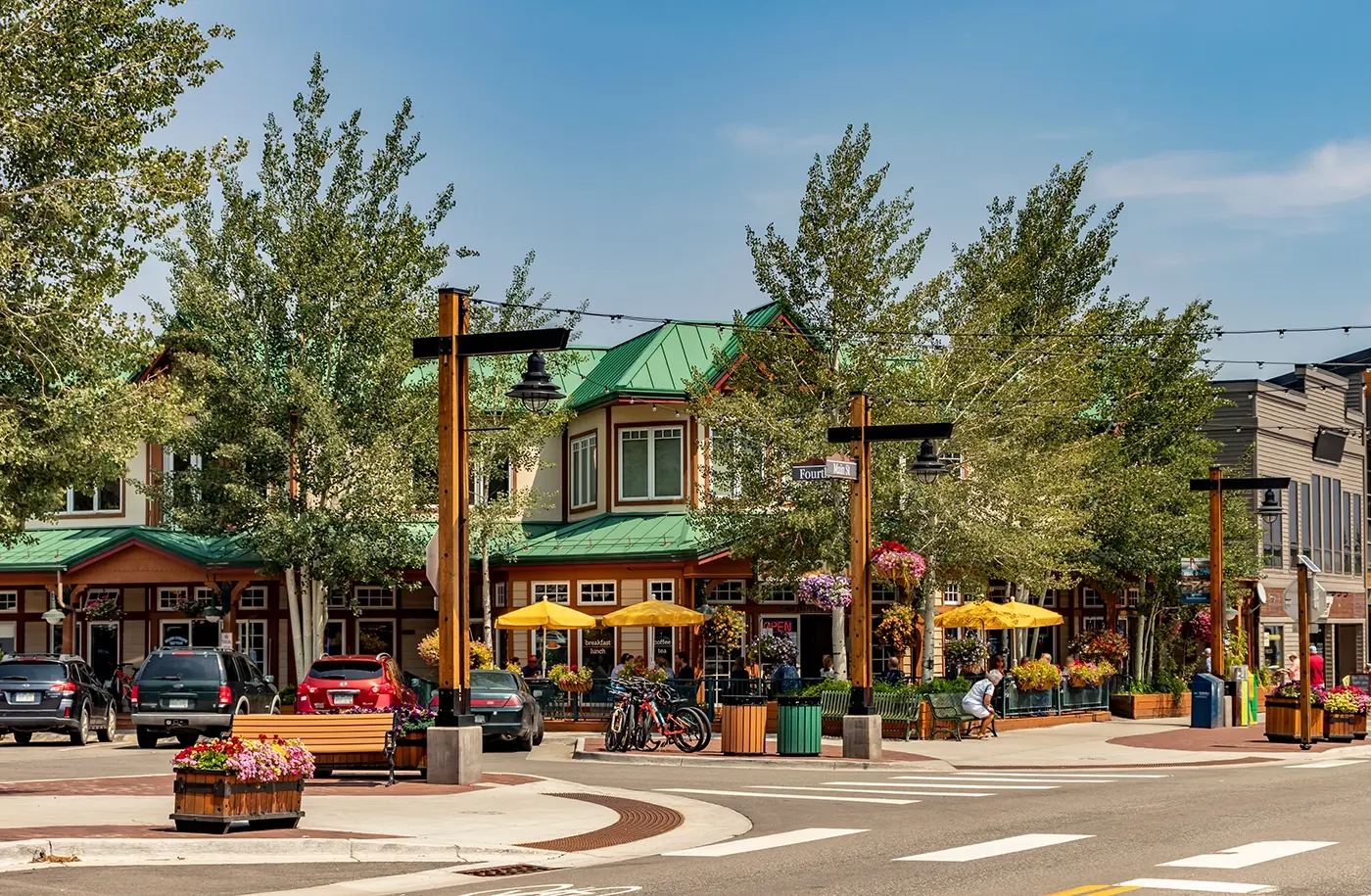
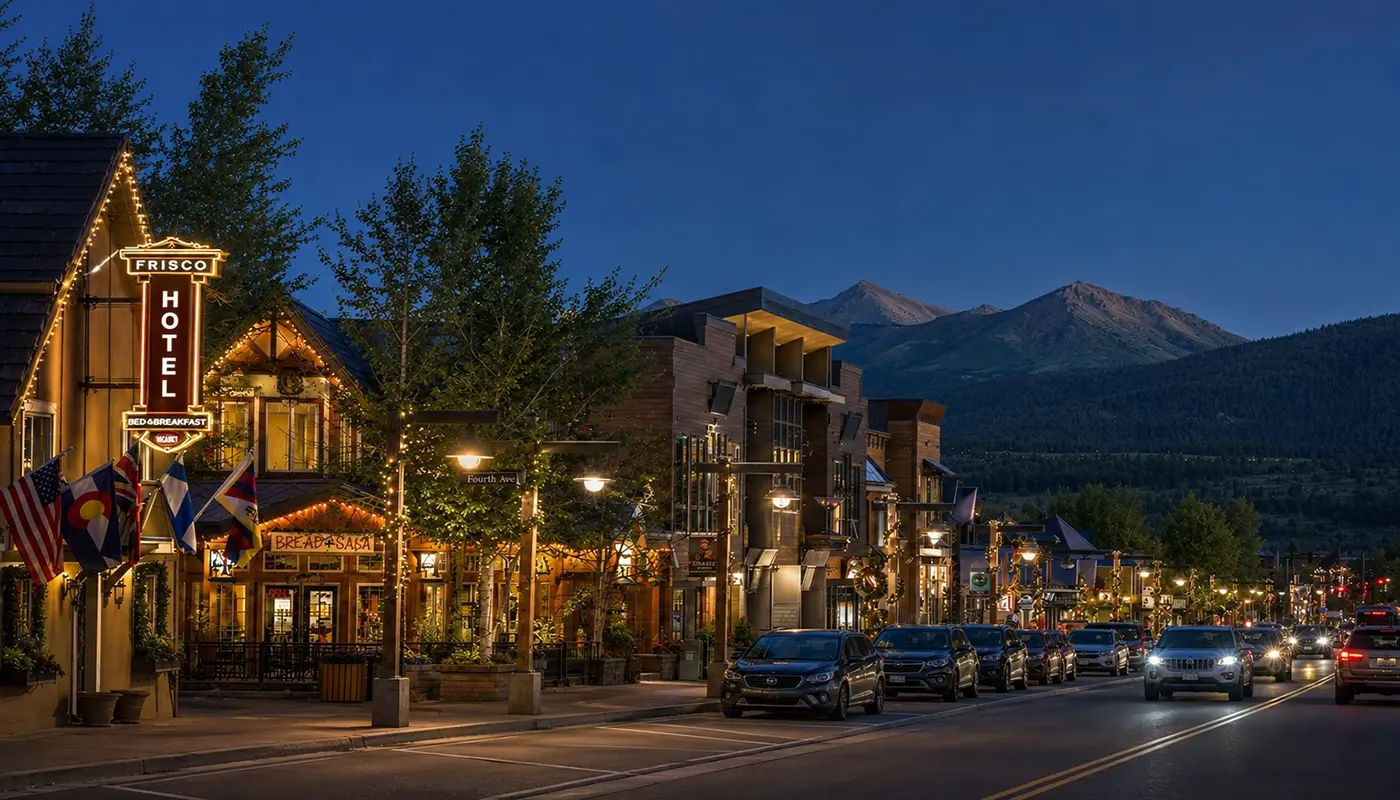
One of Frisco's overlooked advantages is the variety and quality of its dining scene. Within a short walk or drive, athletes have access to a wide range of restaurants, coffee shops, grocery stores, and healthy dining options that make it easy to maintain consistent nutrition throughout a training camp.
Visitors can find:
-
Recovery-focused meals after long training days
-
High-quality coffee shops including Mt. Royal Coffee shop located right at the Inn where coffee is roasted on-site
-
Fresh groceries and hydration supplies
Many athletes discover that Frisco offers a rare balance between outdoor adventure and everyday convenience. Rather than spending valuable recovery time driving between training locations and restaurants, most dining options are located within minutes of Frisco Inn on Galena.
The Inn itself provides an excellent foundation for active guests. Each morning begins with an included gourmet made-to-order breakfast designed to help fuel the day ahead. In the evenings, guests can enjoy complimentary Aperitivo and even dine at the Inn in a relaxed mountain setting, making it easy to focus on training, recovery, and enjoying the experience rather than worrying about logistics.
For athletes spending multiple days or weeks at altitude, that convenience becomes one more reason Frisco works so well as a training basecamp.
This is where Frisco Inn on Galena and Mt. Royal Spa provide a meaningful advantage...
Why Athletes Choose Frisco Inn on Galena
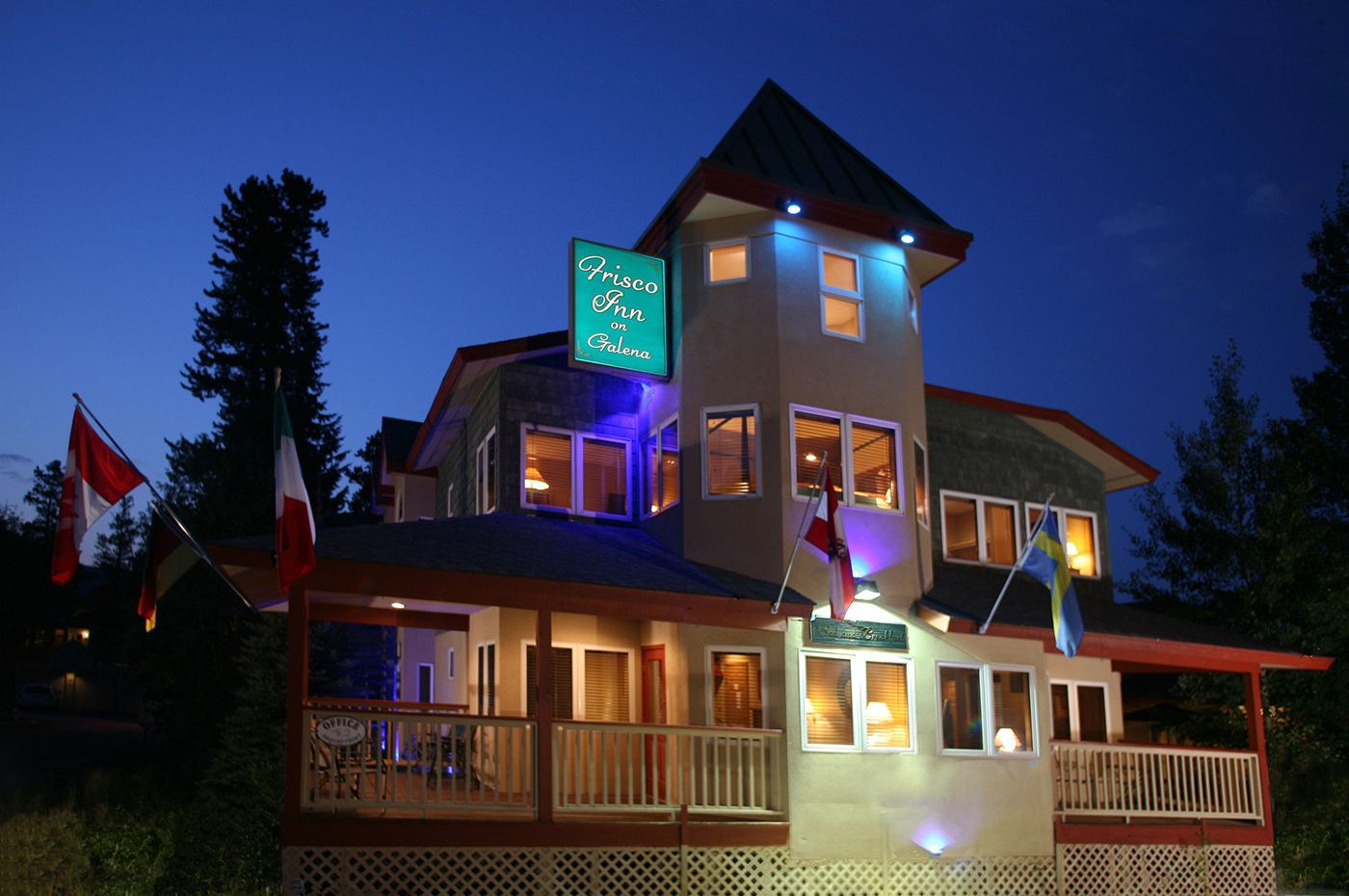
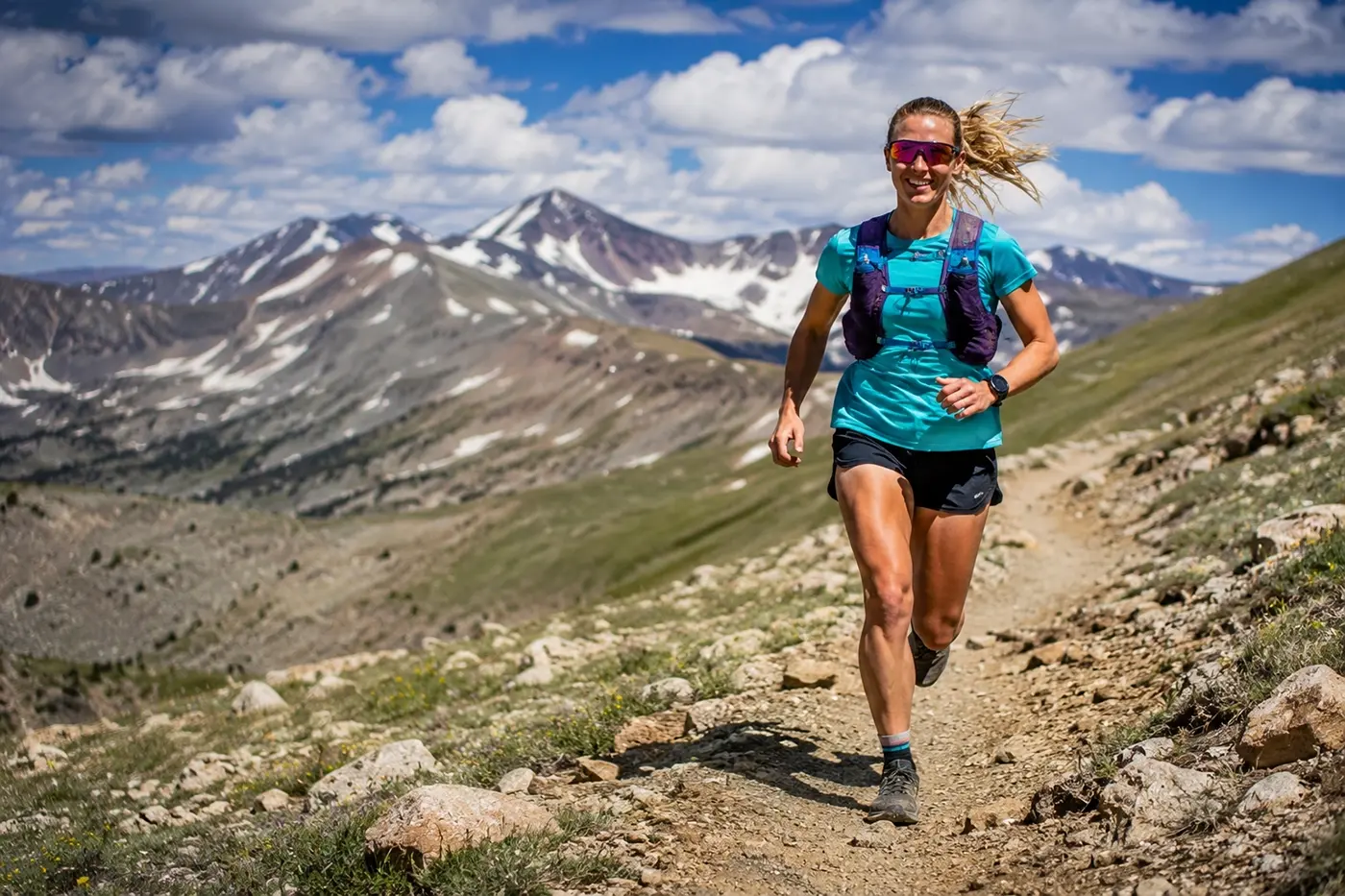
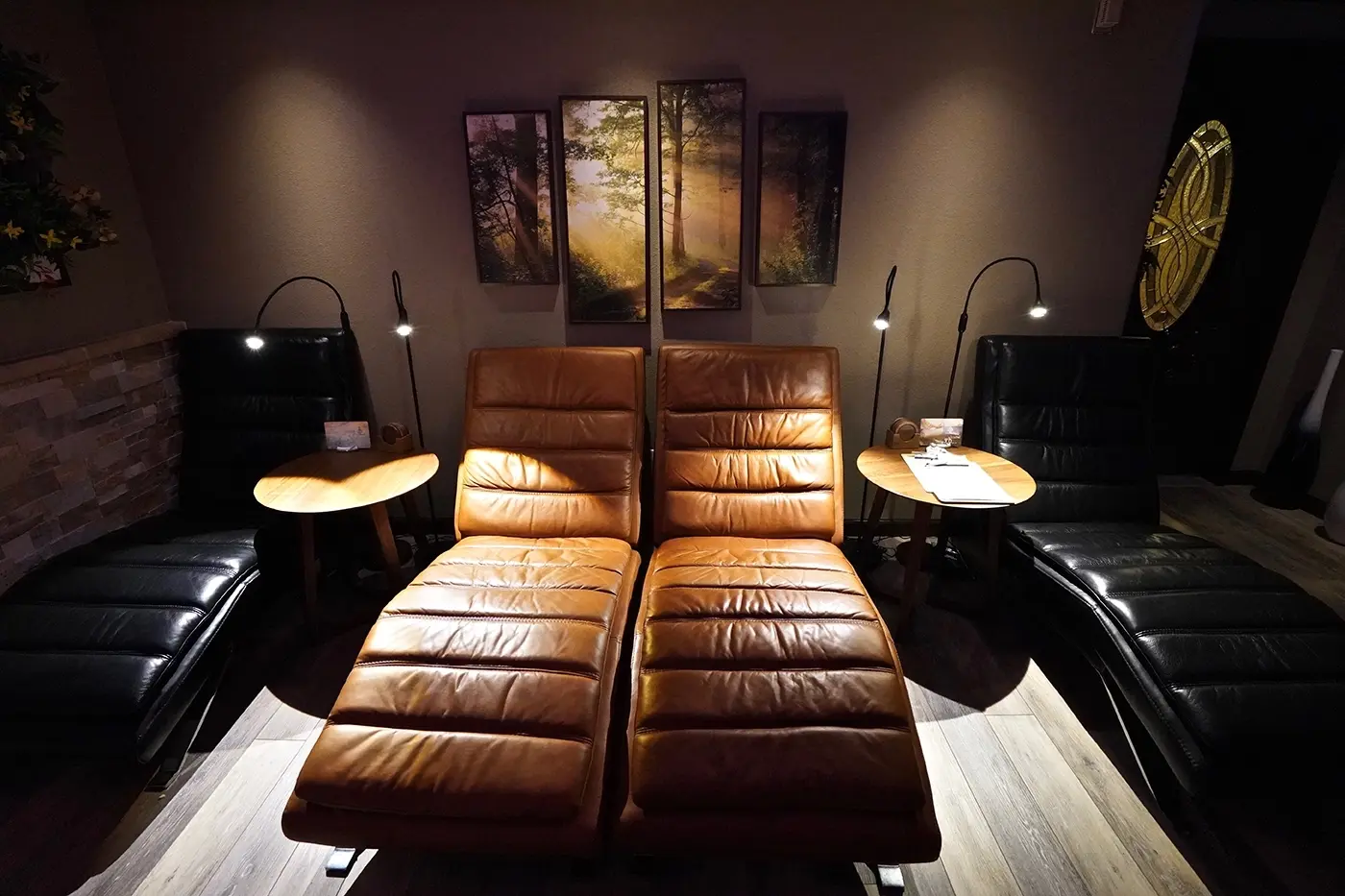
"Train at 9,000 feet. Recover in comfort. Explore Summit County from a central mountain home base."

Most altitude-training articles focus exclusively on physiology.
What they often overlook is that athletes spend far more time recovering than training.
A typical athlete may train:
-
1–5 hours per day
But recovery, nutrition, hydration, mobility work, sleep, and relaxation occupy the remaining hours.
This is where lodging becomes important.
Athletes choosing Frisco Inn on Galena gain access to an environment designed to support both performance and recovery.
Fitness Facilities for Mobility and Strength
Many endurance athletes understand the importance of:
-
Core stability
-
Mobility work
-
Stretching
-
Light resistance training
Frisco Inn offers a fitness area ideal for:
-
Core exercises
-
Resistance band routines
-
Stretching sessions
-
Mobility work
-
Light weight training
These simple recovery-focused workouts often become just as important as the primary training sessions.
Walkability Improves Recovery
One of Frisco's greatest advantages is that athletes can leave their vehicle parked.
Restaurants, shops, grocery stores, coffee shops, and services are all nearby.
After long training sessions, reducing unnecessary driving helps preserve energy and simplifies recovery.
The Silverthorne Recreation Center Advantage
Just minutes from Frisco lies one of Summit County's most valuable resources for serious athletes.
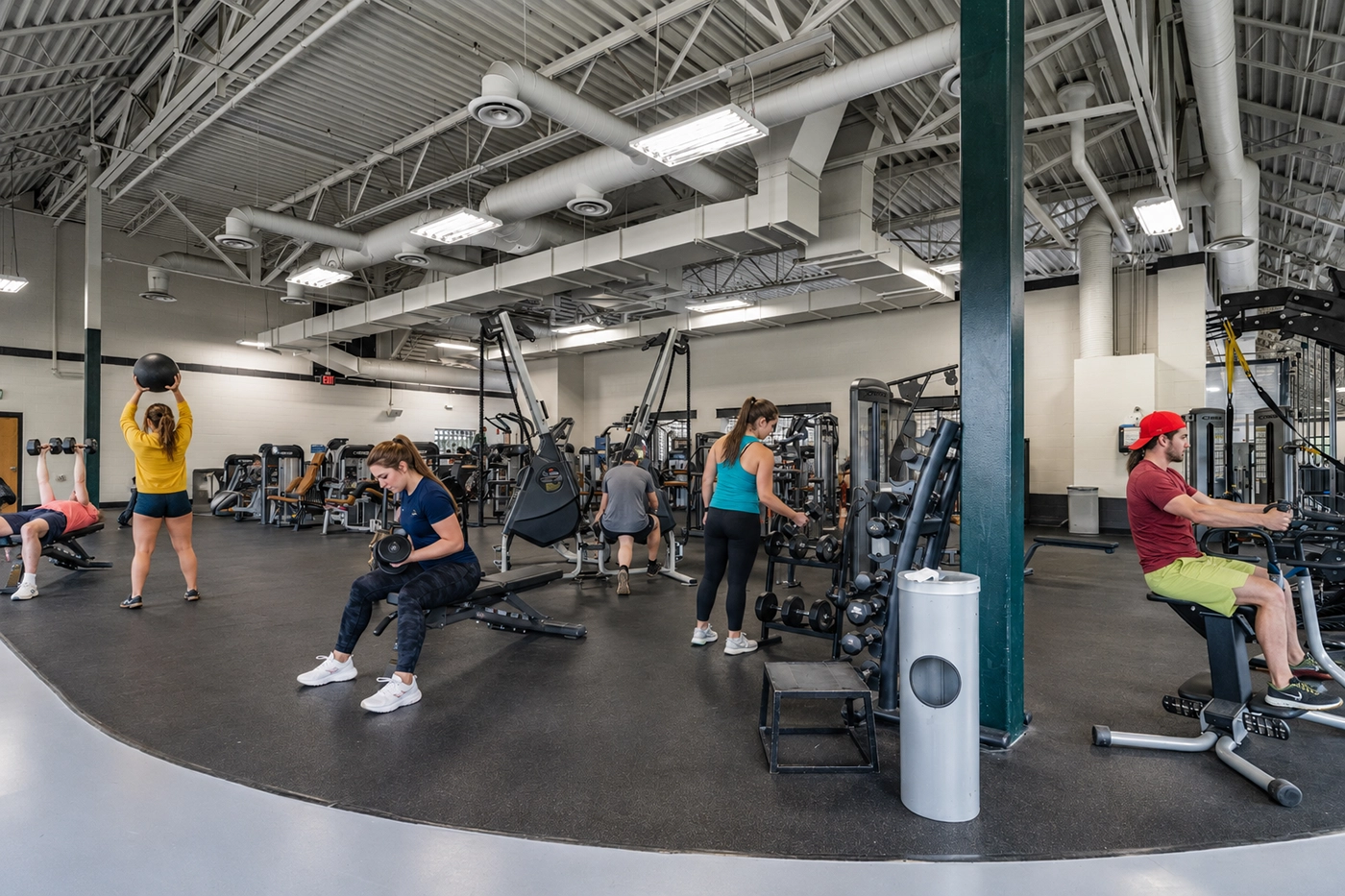
The Silverthorne Recreation Center provides:
-
Full strength training facilities
-
Cardio equipment
-
Swimming pools
-
Indoor fitness opportunities
-
Group exercise options
This gives athletes the flexibility to continue structured training regardless of weather conditions.
For triathletes, cyclists, runners, and endurance athletes, this nearby facility becomes an important extension of the training environment.
Few mountain destinations offer such easy access to both outdoor adventure and comprehensive indoor athletic facilities.
Recovery: The Competitive Advantage Most Athletes Ignore
Training creates stress.
Recovery creates adaptation.
This is especially true at altitude.
At 9,100 feet, athletes often experience:
-
Increased dehydration
-
Elevated recovery requirements
-
Reduced sleep quality during acclimatization
-
Greater fatigue following hard efforts
The athletes who maximize altitude training are often the athletes who recover best.
Mt. Royal Spa: Recovery at Altitude
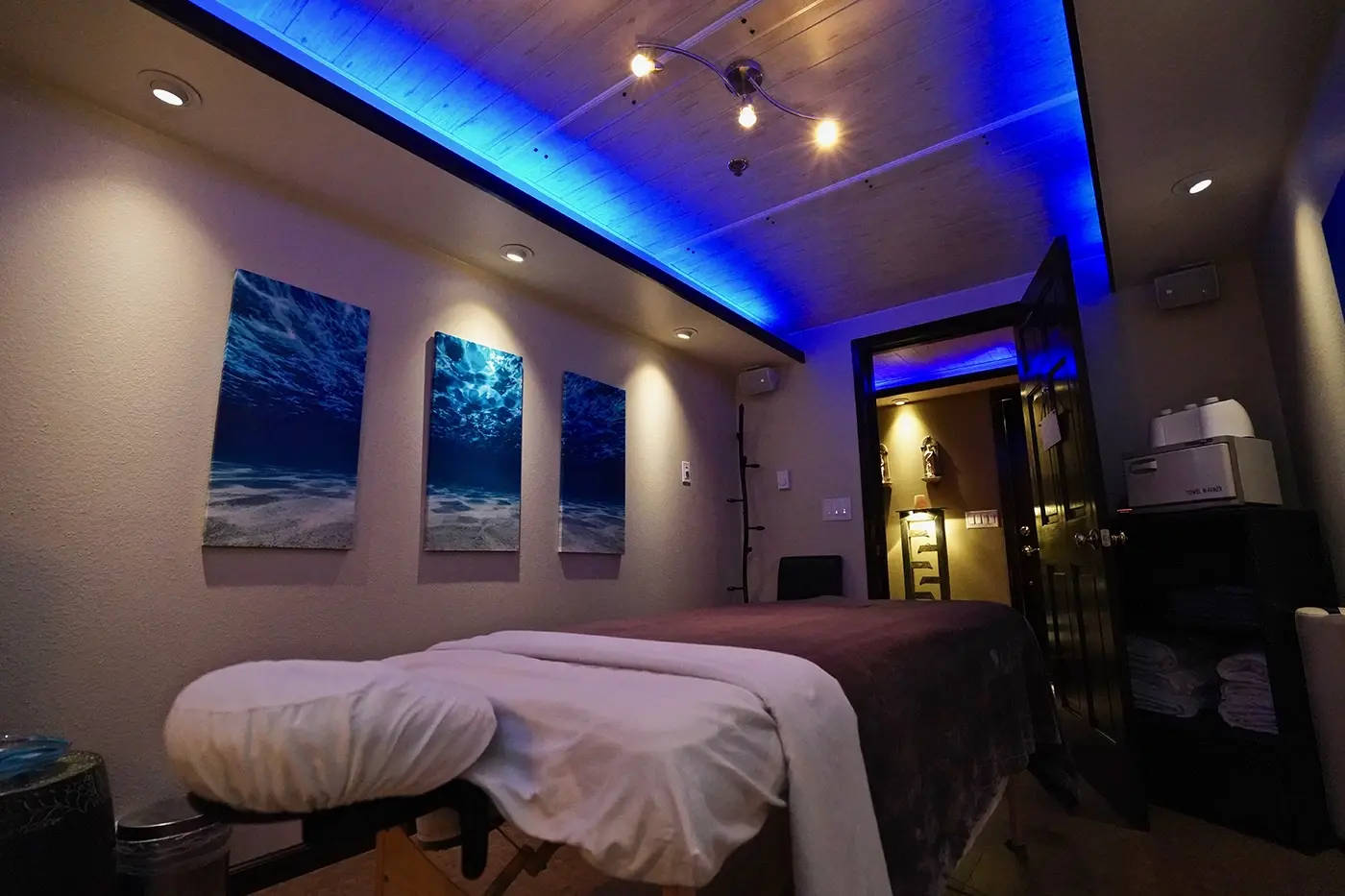
Located within Frisco Inn on Galena, Mt. Royal Spa provides a unique recovery environment that complements athletic training.
Massage Therapy
Massage remains one of the most widely used recovery tools among endurance athletes.
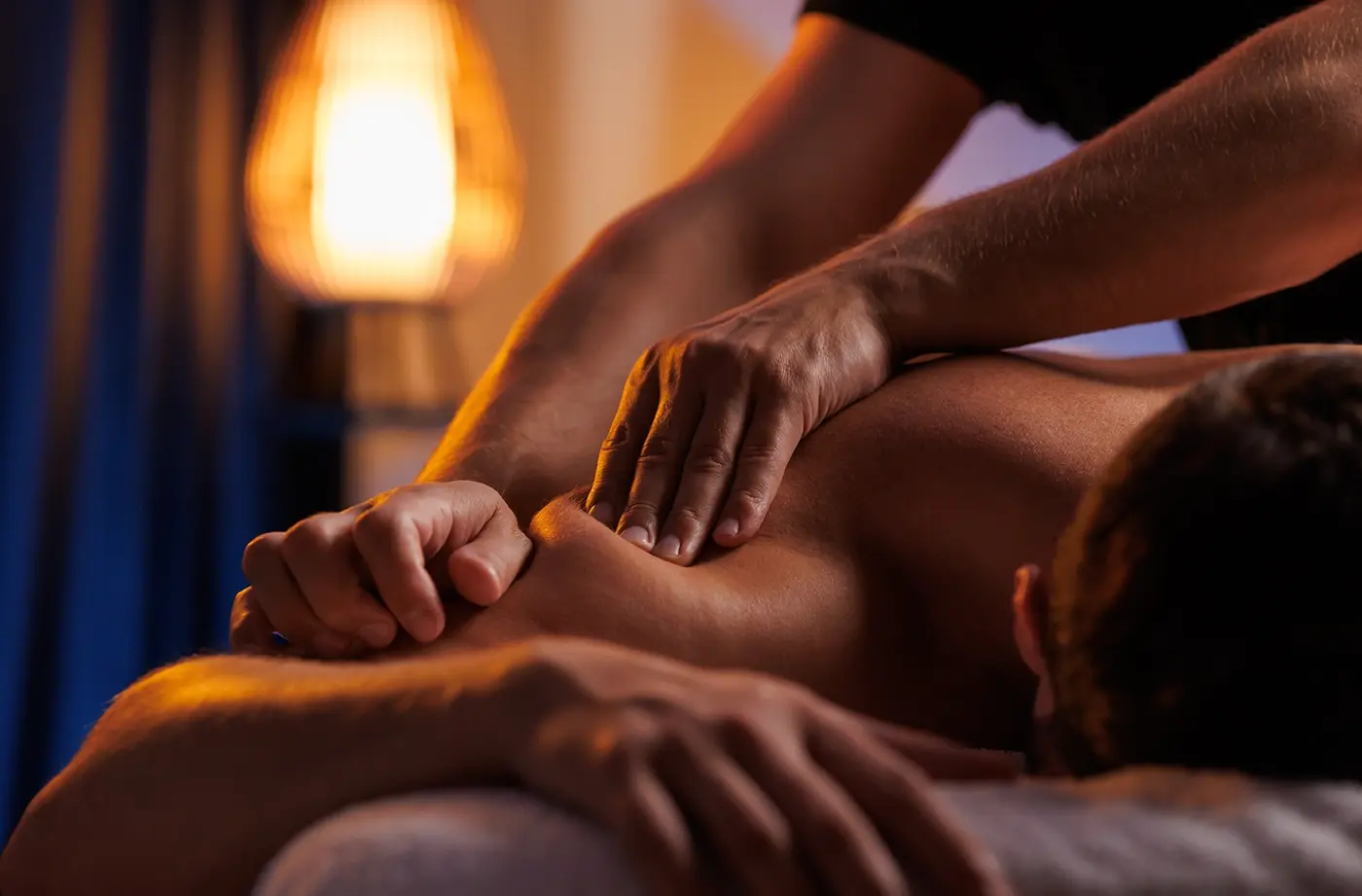
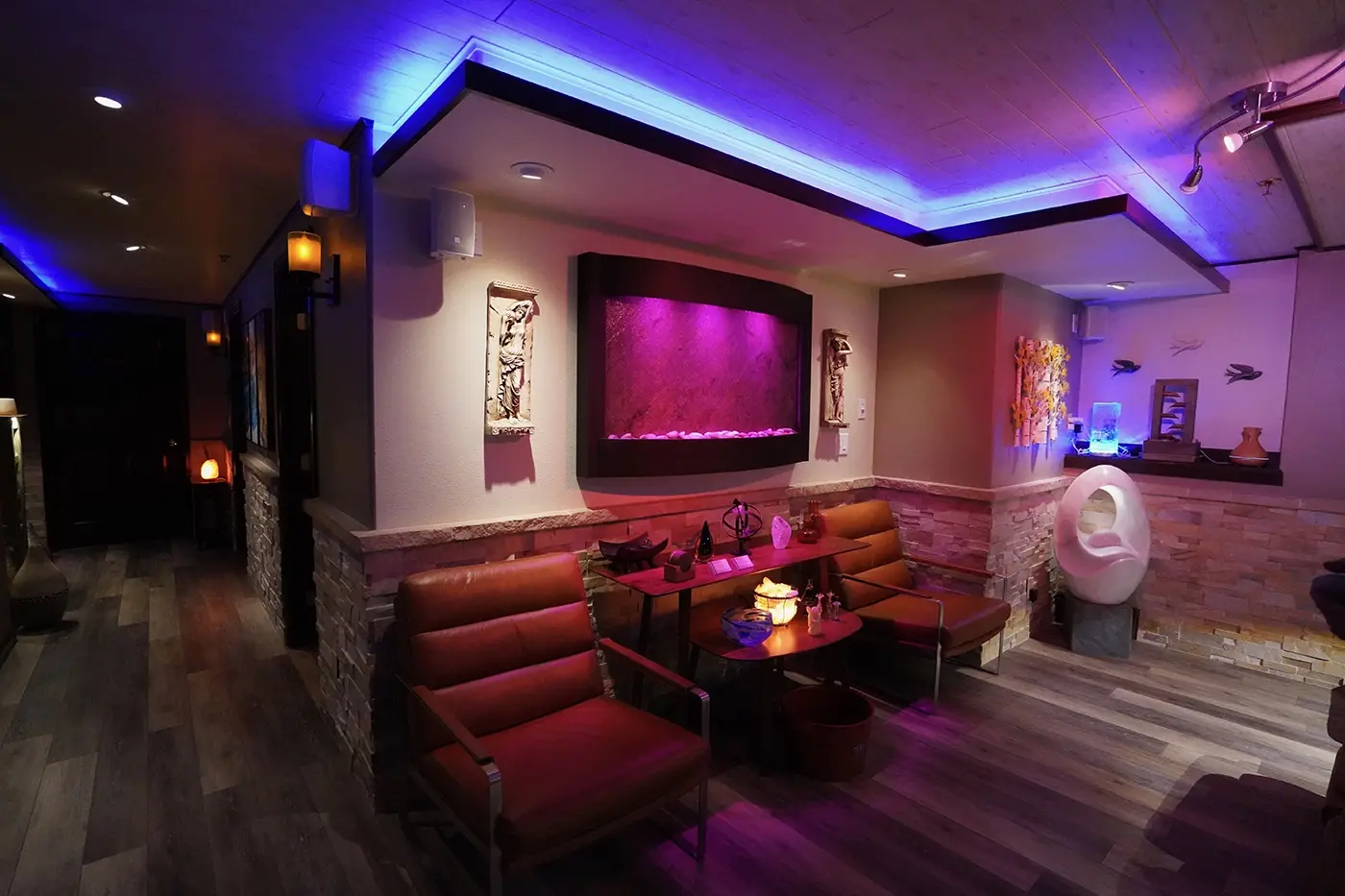
Benefits may include:
-
Reduced muscle tension
-
Increased circulation
-
Improved mobility
-
Enhanced relaxation
After long rides, mountain runs, or training camps, massage can become an essential part of recovery.
Speed Hound Compression Recovery System
Compression therapy has become increasingly popular among:
-
Cyclists
-
Marathon runners
-
Triathletes
-
Skiers
-
Mountain athletes

The Speed Hound Compression Recovery System may help support circulation and recovery between hard training sessions.
Athletes frequently use compression recovery following:
-
Long rides
-
Back-to-back training days
-
High-volume weeks
-
Altitude camps
Sauna
Many endurance athletes have incorporated sauna sessions into their recovery protocols.
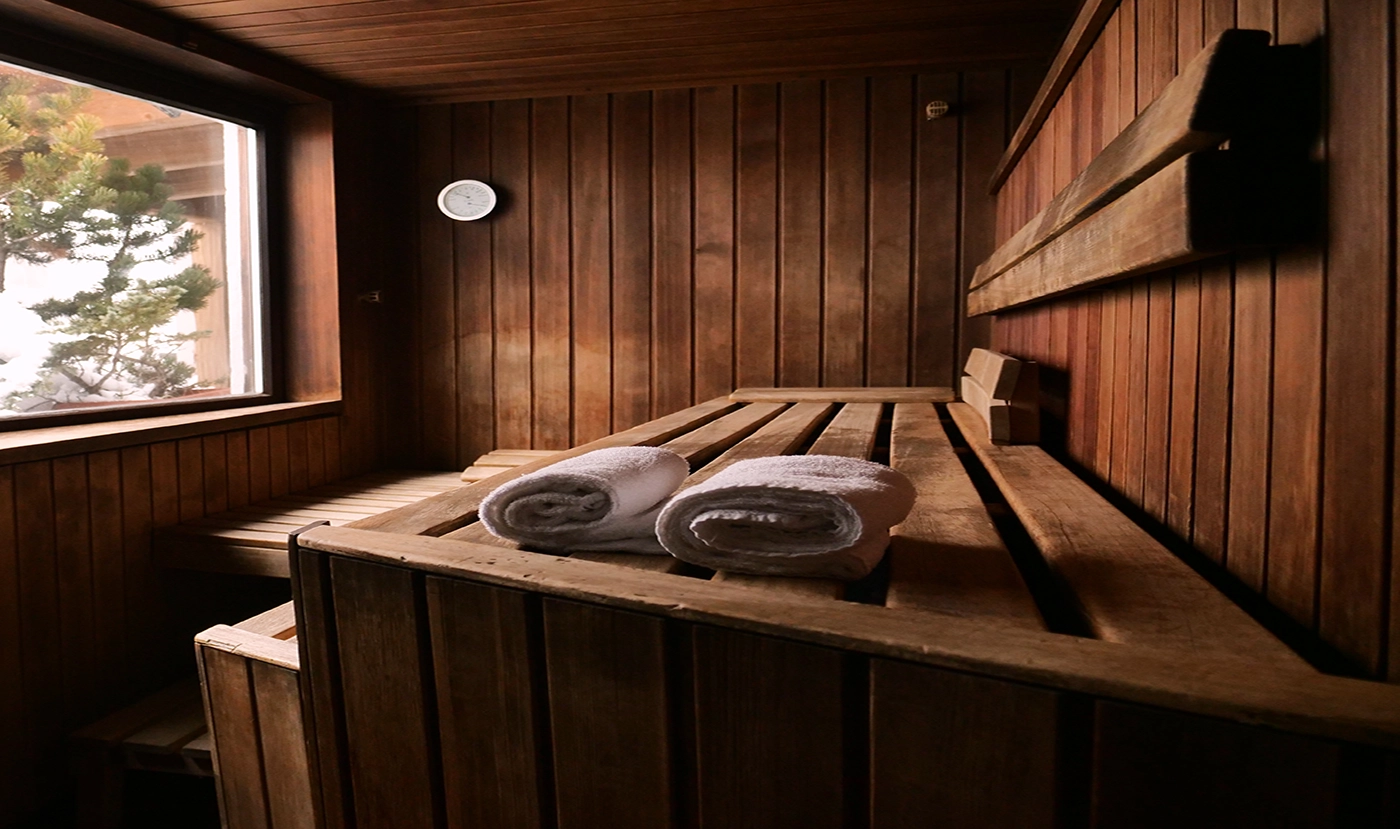
Sauna use may support:
-
Relaxation
-
Recovery routines
-
Heat adaptation strategies
-
Stress reduction
For athletes balancing heavy training loads, the sauna often becomes a favorite part of the recovery process.
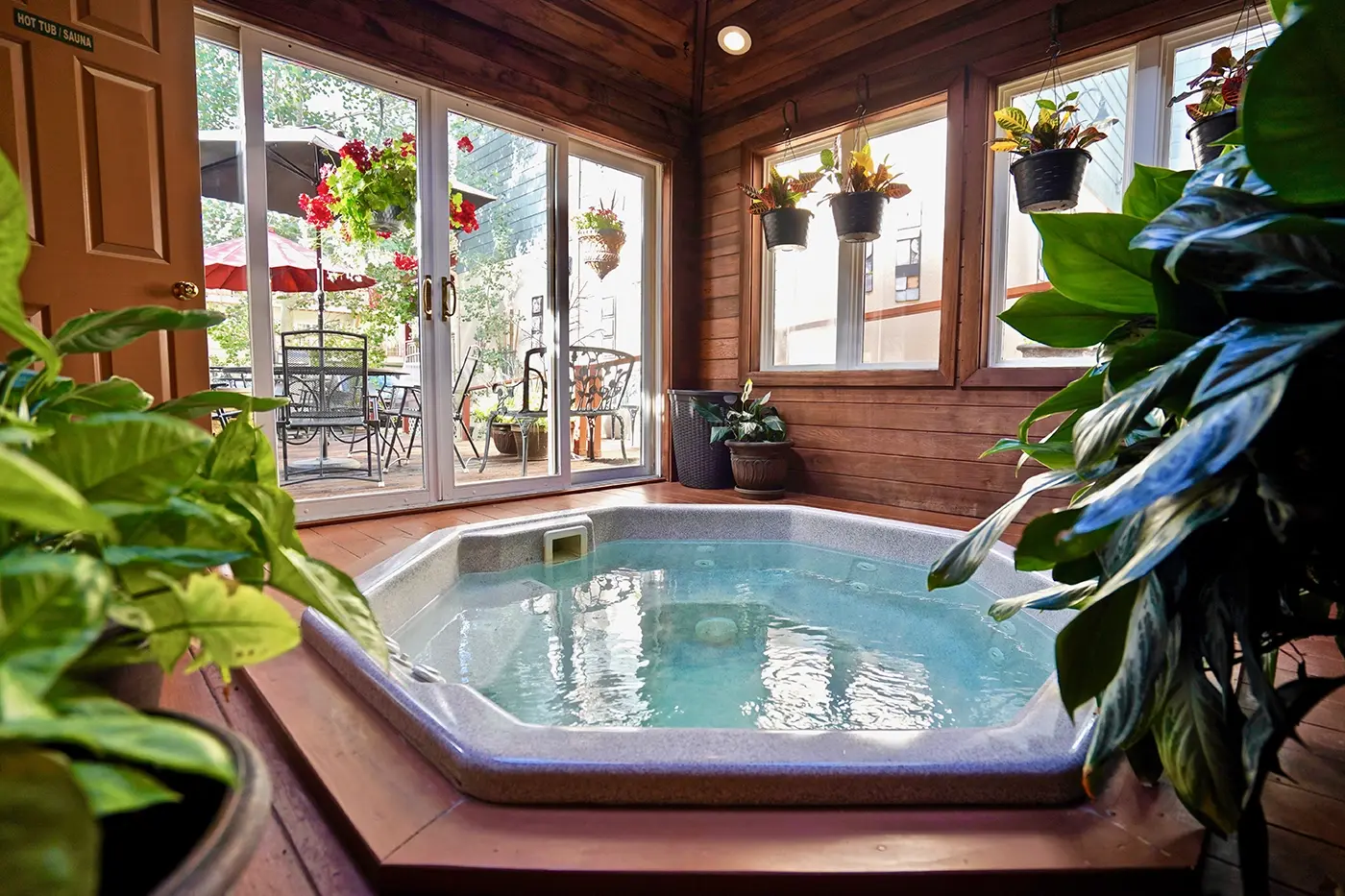
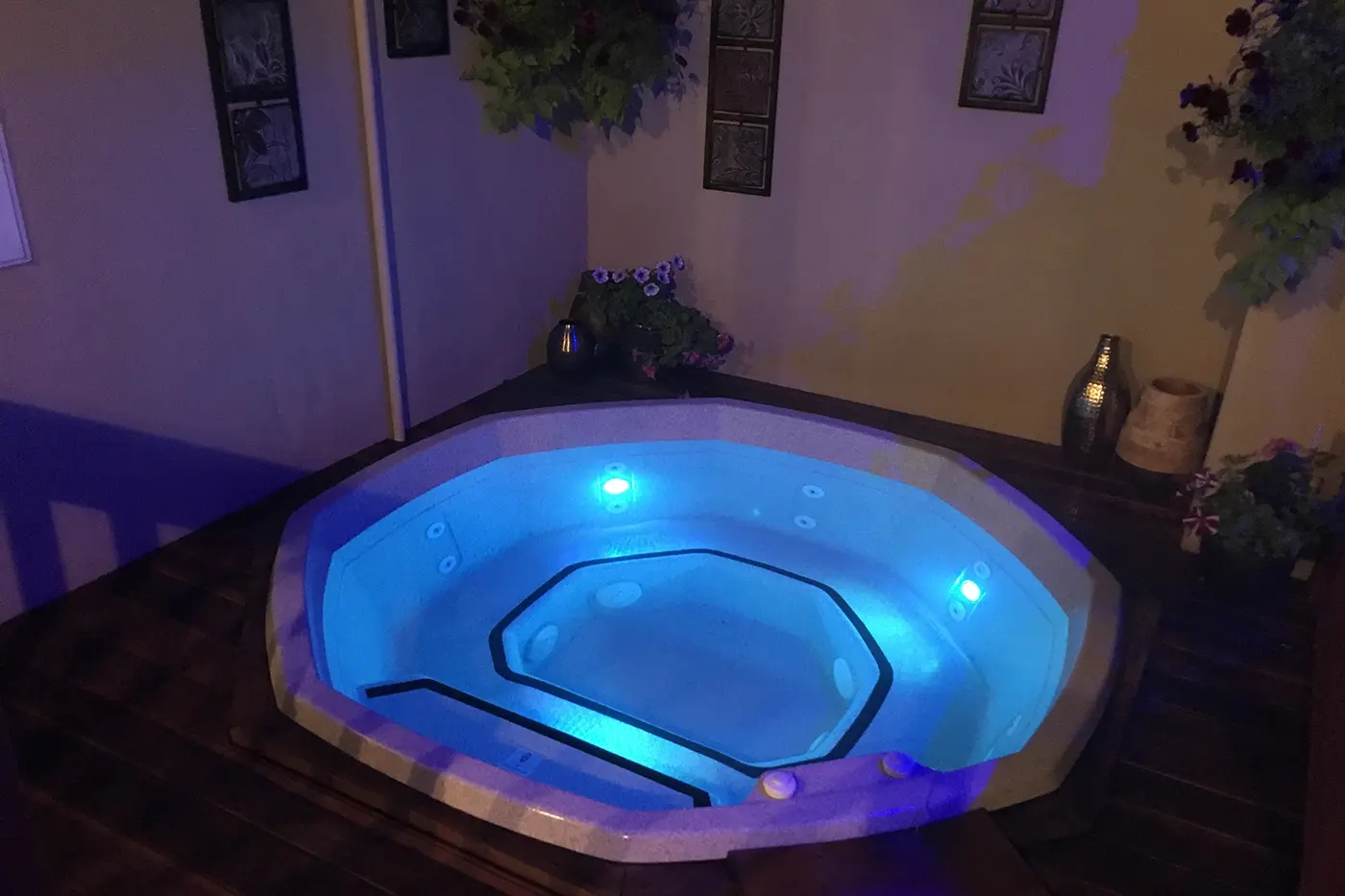
Hot Tubs
Few recovery experiences compare to relaxing in a hot tub after a long day in the mountains.
Whether recovering from:
-
A Colorado Trail run
-
A century ride
-
A Leadville training session
-
A mountain hike
The hot tubs at Frisco Inn provide an ideal environment for relaxation and recovery.
The Importance of Sleep at Altitude
If there is one recovery tool that matters more than all others, it is sleep.
Altitude adaptation places additional stress on the body.
Quality sleep supports:
-
Hormonal balance
-
Muscle repair
-
Recovery
-
Cognitive function
-
Athletic adaptation
Many athletes underestimate the importance of a quiet, comfortable environment.
Common Altitude Training Mistakes
Athletes new to altitude often make predictable mistakes.
Going Too Hard Too Soon
-
The first week should generally be conservative.
-
Many athletes feel strong initially but discover that recovery accumulates rapidly.
Underestimating Hydration Needs
-
Altitude increases fluid requirements.
-
Athletes should pay close attention to hydration throughout their stay.
Ignoring Nutrition
-
Altitude training often increases caloric demands.
-
Consistent fueling becomes even more important.
Neglecting Recovery
-
They are essential components of a successful altitude-training program.
Typical Altitude Training Blocks
Most meaningful altitude adaptations occur over time.
While every athlete is different, many coaches utilize:
Two-Week Training Block
-
Useful for acclimatization and training stimulus.
Three-Week Training Block
-
Often considered a sweet spot for many athletes.
Four-Week Training Block
-
Provides additional opportunity for adaptation and structured training.
Many elite athletes begin conservatively during the first week before increasing training quality during weeks two and three.
Don't Have Three Weeks? A Mini Altitude Camp Can Still Be Valuable
Many athletes assume that altitude training only makes sense if they can spend several weeks in the mountains. While longer altitude blocks generally produce the greatest physiological adaptations, shorter visits can still provide meaningful benefits.
A long weekend or 4–7 day training camp can be an excellent way to:
-
Build fitness in a mountain environment
-
Practice fueling and hydration at altitude
-
Gain experience training above 9,000 feet
-
Explore new trails and cycling routes
-
Improve climbing strength
-
Develop mental confidence for future events
-
Learn how your body responds to altitude
Many athletes preparing for mountain races, cycling events, marathons, ultramarathons, or the Leadville Trail 100 use Frisco for shorter training camps throughout the year.
A typical mini-camp might include several days of aerobic training, mountain climbing, trail running, cycling, mobility work, and recovery-focused sessions at Mt. Royal Spa. While a long weekend may not produce the same physiological adaptations as a multi-week altitude block, it can still provide valuable training stimulus while allowing athletes to enjoy everything Summit County has to offer.
For many visitors, a short camp becomes the first step toward a future extended altitude-training experience.
More Than Training
One reason athletes return to Frisco year after year is that the town offers more than workouts.
Between training sessions, visitors can enjoy:
The result is a destination that supports both athletic goals and quality of life.
Why Frisco Belongs in the Conversation with the World's Great Altitude Training Destinations
Many athletes immediately think of:
-
Flagstaff, AZ
-
Mammoth Lakes, CA
-
Boulder, CO
-
Tenerife, Spain
-
Sierra Nevada, Spain
-
Tignes, France
-
Livigno, Italy
when discussing altitude training.
While those destinations have earned international reputations, Frisco quietly offers many of the same advantages — with easier logistics, exceptional infrastructure, and immediate access to some of North America's best endurance terrain.
In a word, Frisco offers:
Convenience.
Athletes can train at high elevation, access lower-elevation terrain when needed, recover effectively, and enjoy a complete range of services without sacrificing the mountain environment.
Why Frisco Stands Out:
-
9,100-foot elevation
-
Immediate access to trails, roads, and mountains
-
Easy access from Denver International Airport and I-70
-
Full-service mountain town amenities
-
Recovery resources including spa services, dining, and walkable conveniences
-
Four-season training opportunities
-
State-of-the-art medical facilities
creates one of the most complete altitude-training destinations in Colorado and beyond.
Frequently Asked Questions About Altitude Training in Frisco, Colorado
Is Frisco high enough for altitude training?
-
Yes. Frisco sits at approximately 9,100 feet above sea level, placing it near the upper end of what many coaches consider ideal for altitude training. The elevation is high enough to provide a meaningful altitude stimulus while still allowing athletes to complete quality endurance workouts.
How long should I stay in Frisco to benefit from altitude training?
-
While meaningful physiological adaptations often occur during 3–4 week altitude camps, even shorter visits can be valuable. Many athletes visit Frisco for long weekends or week-long training camps to gain altitude experience, improve climbing fitness, and prepare for mountain events.
What sports benefit most from altitude training?
Altitude training is commonly used by:
-
Marathon runners
-
Ultramarathon runners
-
Trail runners
-
Cyclists
-
Triathletes
-
Nordic skiers
-
Mountain athletes
-
Endurance hikers
Any sport that relies heavily on aerobic fitness may benefit from altitude exposure.
Is Frisco a good place to prepare for mountain races?
-
Yes. Frisco provides access to high-altitude trails, mountain roads, significant climbing, and varied terrain, making it an excellent training base for mountain races, endurance events, and alpine adventures.
Why do athletes train at altitude?
-
Training at altitude exposes the body to lower oxygen availability, which may stimulate physiological adaptations such as improved oxygen transport, increased red blood cell production, and enhanced aerobic efficiency.
Is 9,100 feet too high for training?
-
For most healthy athletes, Frisco's elevation is very effective for altitude training. However, training intensity often needs to be adjusted during the first week as the body acclimates. Recovery, hydration, and nutrition become especially important.
What is the "Live High, Train Low" concept?
-
The "Live High, Train Low" approach involves living at altitude while completing some higher-intensity workouts at lower elevations. Frisco is well positioned for this strategy because athletes can access lower-elevation roads and trails throughout Summit County, Eagle County, and the Front Range while still benefiting from sleeping and recovering at 9,100 feet.
How long does it take to acclimate to altitude?
-
Most athletes begin adjusting during the first several days, but meaningful acclimatization often takes one to three weeks. Individual responses vary based on fitness, genetics, hydration, nutrition, and previous altitude exposure.
What should I expect during my first few days at altitude?
Some athletes experience:
-
Elevated heart rate
-
Slower workout paces
-
Increased fatigue
-
Mild sleep disruption
-
Greater hydration needs
These responses are common and typically improve as acclimatization occurs.
Why is recovery more important at altitude?
-
Altitude places additional stress on the body. Recovery helps athletes adapt to that stress while reducing fatigue and maintaining training quality. Sleep, hydration, nutrition, mobility work, and recovery therapies all become increasingly important.
Does Frisco Inn on Galena offer amenities for athletes?
-
Yes. Frisco Inn on Galena offers amenities that support active travelers, including gourmet breakfast, a fitness area for stretching, mobility work, core training, and light resistance exercise, along with convenient access to trails, roads, restaurants, and recovery services.
What recovery services are available at Mt. Royal Spa?
Mt. Royal Spa offers:
-
Therapeutic massage
-
Speed Hound Compression Recovery System
-
Sauna
-
Hot tubs
-
Recovery-focused wellness experiences
These services can complement training and help athletes recover between hard efforts.
Is Frisco a good destination for cycling camps?
-
Absolutely. Frisco provides access to over 55 miles of paved recreation paths as well as iconic climbs including Vail Pass, Loveland Pass, Swan Mountain Road, Hoosier Pass, and Copper Mountain. The combination of altitude, infrastructure, and recovery resources makes Frisco a popular destination for cycling camps.
Is Frisco suitable for trail running?
Yes. Frisco is surrounded by exceptional trail systems including Mount Royal, Peaks Trail, Rainbow Lake, Colorado Trail access points, and numerous routes throughout the Tenmile Range and Summit County.
Where can athletes strength train while staying in Frisco?
-
Guests can utilize the fitness facilities at Frisco Inn on Galena for mobility, core work, stretching, and light resistance training. Athletes seeking more extensive facilities can also access the nearby Silverthorne Recreation Center.
What makes Frisco different from other altitude-training destinations?
-
Frisco combines meaningful altitude exposure, world-class training terrain, exceptional recovery resources, athlete-friendly infrastructure, healthcare access, dining options, shopping, and mountain-town convenience in one walkable location. Few altitude destinations offer such a complete training and recovery environment.
Final Thoughts
The best altitude camps are not simply about training harder.
They are about creating an environment where athletes can train intelligently, recover effectively, and adapt successfully.
Frisco provides that environment.
Whether you're preparing for the Leadville Trail 100, building fitness for a marathon, organizing a cycling team camp, training for an Ironman, exploring the Colorado Trail, or simply seeking a healthier mountain getaway, Frisco offers a unique combination of altitude, accessibility, recovery, and mountain hospitality.
Adventure Outside. Relaxation Within.
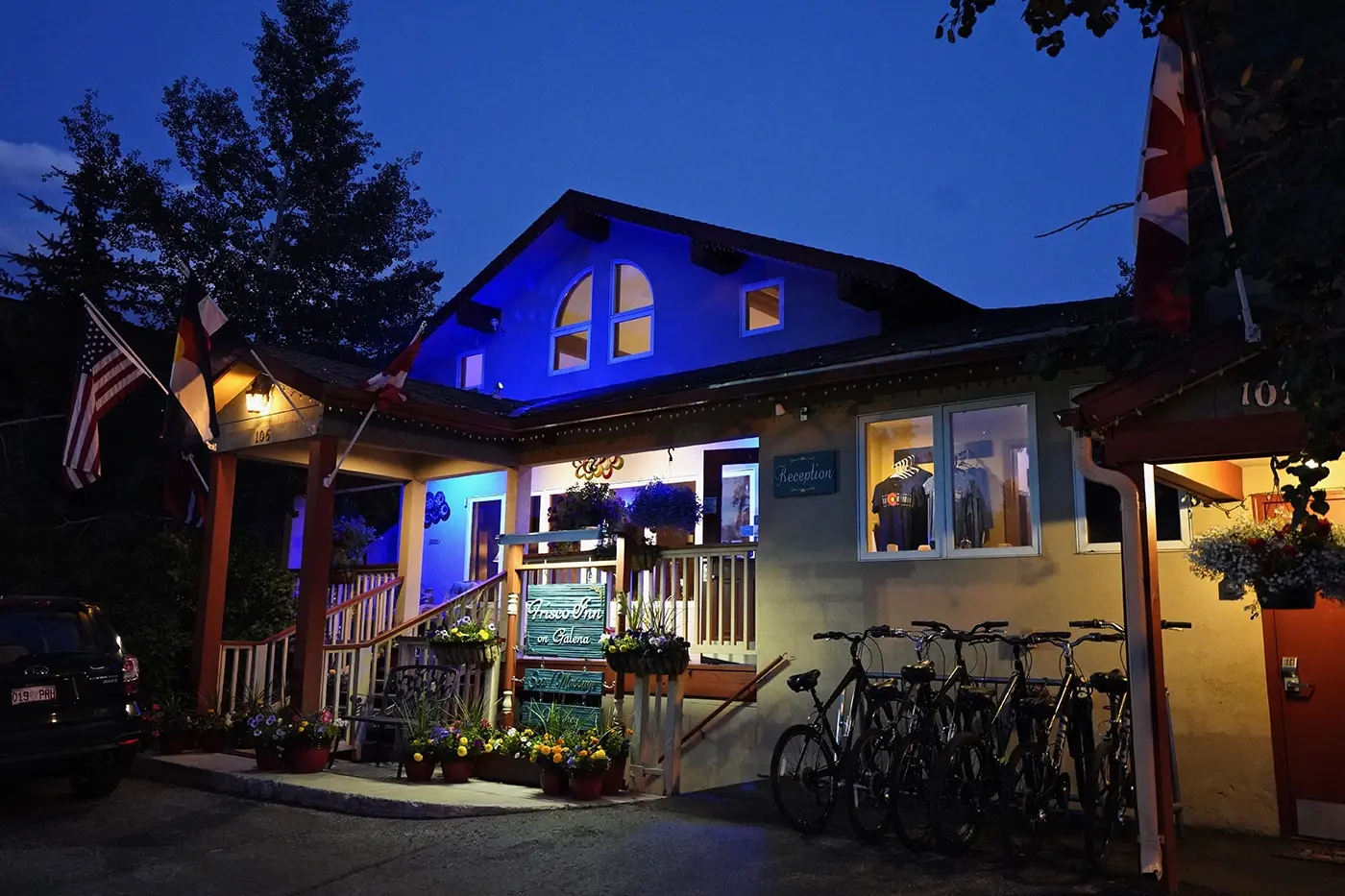
For athletes seeking a complete altitude-training experience, Frisco, Frisco Inn on Galena, and Mt. Royal Spa form a combination that is difficult to match anywhere in the Rocky Mountains.
______________________________________________________________
Ready to Experience Altitude Training in Frisco?
Whether you're preparing for a marathon, cycling event, triathlon, mountain adventure, or simply looking to challenge yourself in the Colorado Rockies, Frisco offers an exceptional combination of altitude, training terrain, recovery resources, and mountain-town convenience.
Book your stay at Frisco Inn on Galena and experience firsthand why Frisco has become a favorite destination for endurance athletes, outdoor enthusiasts, and active travelers from around the world.
Be sure to explore our Frisco Travel Guide for additional local insights, seasonal recommendations, training ideas, dining suggestions, and mountain adventures throughout Summit County.
_______________________________________________________________
Local Insights from Frisco Inn on Galena
This guide is maintained by the team at Frisco Inn on Galena, a boutique Inn and spa located in the heart of historic Frisco, Colorado. As longtime members of the Summit County community, our staff shares local knowledge and firsthand experience to help visitors make the most of their time in the Colorado Rockies.
These recommendations reflect the experience of the Frisco Inn on Galena team, including owner Bruce Knoepfel, a longtime Summit County resident, professional road cyclist, ski coach, mountain athlete, and world traveler who has spent decades exploring Colorado's trails, roads, mountain passes, ski areas, and outdoor recreation opportunities.
From altitude training and cycling camps to hiking adventures, recovery retreats, and mountain getaways, our goal is to help guests experience Summit County as locals do.
And while you're here, don't forget to explore the remarkable trail systems surrounding Frisco—from the Colorado Trail and Peaks Trail to Mount Royal, Rainbow Lake, and the countless hiking, running, and mountain biking routes that make this corner of Colorado such a special place to train, recover, and explore.